When purchasing a dedicated server, it’s easy to get lost just by looking at the price list figures. Starting from the topic of “Evaluating the Performance and Scalability of U.S.-based Dedicated Server Price Lists from a Technical Parameters Perspective,” this article systematically reviews key hardware and network metrics to help determine cost-effectiveness and scalability as needed. The content is aimed at technical decision-makers, balancing SEO searchability with practical reference value.
When evaluating server performance, attention should be paid to the physical cores, threads, clock speed, and cache structure of the processor model. Single-thread performance affects latency-sensitive applications, while multi-core parallelism determines concurrent processing capability. Price lists are often indicated by model or core count, and combining them with benchmark tests (such as floating-point or integer benchmarks) allows for a more intuitive comparison. However, it’s important to consider the impact of hyperthreading and virtualization on available computing resources.
Memory capacity, number of channels, and type (such as ECC DDR4/DDR5) directly affect database and cache performance. In high-concurrency scenarios, it is necessary to prioritize ensuring sufficient memory and avoid frequent swapping. When checking the price list, attention should also be paid to the memory expansion slots and their maximum capacity, in order to assess future expansion costs and compatibility, ensuring long-term stable operation and fault tolerance.
Storage performance is determined by the media type (HDD/SSD/NVMe), IOPS, and throughput. For I/O-intensive applications, NVMe or enterprise-grade SSDs with high random read/write performance should be preferred, with attention to RAID support and backup solutions. The capacity in the price list is not the only performance indicator; it needs to be evaluated in combination with latency, lifespan (TBW), and controller specifications.
Network performance includes upstream bandwidth, monthly data limits, peak burst capacity, and physical access speed. Latency and routing quality are affected by the location of the data center and backbone connectivity; when choosing a U.S. data center, the geographical location of target users should be taken into consideration. It's also important to consider whether DDoS protection is included, as well as any additional IP costs and shipping billing rules, as these all affect the total cost and availability.
To determine scalability, one must consider the feasibility of vertical scaling (replacing the CPU or adding memory) and horizontal scaling (adding servers or using load balancing). The price list should specify hardware upgrade options, hot-swapping or downtime maintenance strategies supported by the host provider, and whether cloud hybrid or elastic scaling services are available. Clarify migration difficulties and interface compatibility to facilitate long-term scaling planning.
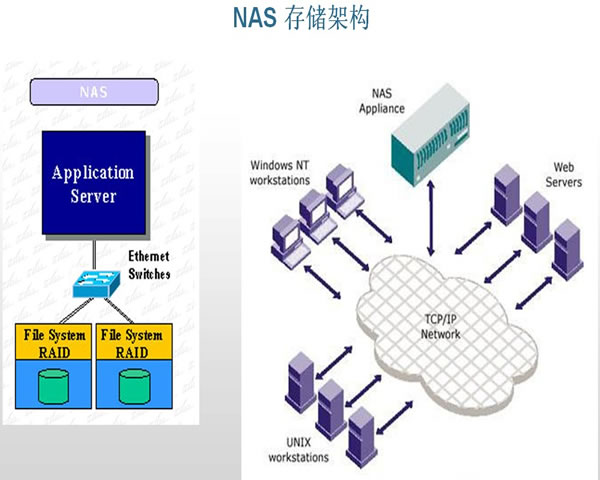
In the absence of specific price comparisons, cost-effectiveness can be measured per unit of resource (such as computing power per core, memory per GB, IOPS per unit, or bandwidth per Gbps). Evaluate SLAs, technical support, management services, and hidden costs (setup fees, IPs, backup fees) at the same time. Based on actual load benchmark results and future growth projections, develop a selection strategy focused on performance and TCO.
In summary, from a technical parameters perspective, the price list for independent servers in the United States needs to take into account four key aspects: CPU, memory, storage, and networking. Additionally, expansion options and operational costs must also be considered. It is recommended to first identify application bottlenecks and compare parameters based on benchmark tests, before focusing on scalability and service terms. Through structured evaluation, it is possible to select a solution that meets performance and scalability requirements without relying on a single price.
- Latest articles
- Decision Analysis on Whether Thailand Needs to Set Up Roaming Servers for Cross-Border Business Expansion
- Plan and pricing explained: Where to subscribe to Korean original IPs, comparison of advantages and disadvantages of different plans
- Leverage WAF and U.S.-based high-security server hosting to provide dual protection at both the application layer and network layer
- Enterprise Deployment Reference: Comparison of KT Cloud Servers in South Korea with Those of Other Operators
- Security Management: How to Improve Access Isolation and Prevent Association in the Hong Kong Station Complex
- Popular tags
-
Recommend several cost-effective American foreign network server selection guides
This article recommends several cost-effective American foreign network server selection guides to help you better choose the server that suits you. -
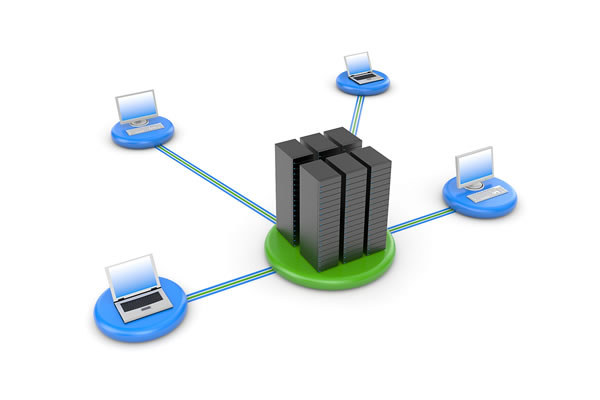
ranking of us server hosting providers and analysis of their service evaluations
this article analyzes the rankings and service evaluations of us server hosting providers to help users choose appropriate server hosting services. -
how long does it take for us servers to return to normal after being attacked?
this article discusses the recovery time and related factors after a us server is attacked, helping users understand the importance of network security and response strategies.